
Most schools have a music program for students beginning in first grade. Music seems to be one of the most important subjects for children and one of the best ways for adults and children to
This item is available in full to subscribers.
At this time, we ask you to confirm your subscription at www.themtnear.com, to continue accessing the only weekly paper in the Peak to Peak region to cover ALL the news you need! Simply click Confirm my subscription now!.
If you are a digital subscriber with an active, online-only subscription then you already have an account here. Just reset your password if you've not yet logged in to your account on this new site.
Otherwise, click here to view your options for subscribing.
Questions? Call us at 303-810-5409 or email info@themountainear.com.
Please log in to continue |
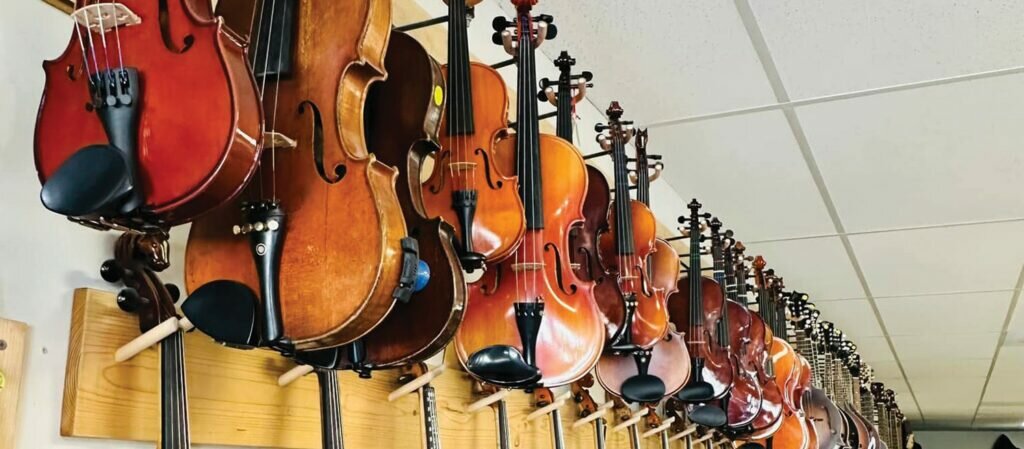
Most schools have a music program for students beginning in first grade. Music seems to be one of the most important subjects for children and one of the best ways for adults and children to communicate effectively. Many studies show that the introduction of basic music, singing, and playing with others improves the child’s imagination. It also makes a large and measurable difference in the ability to understand and succeed in other subjects.
The mechanics of this are very broad. What makes music such a binding force in being human, across all languages and social settings? Just learning to keep time with your peer group has an effect on every child, behaviorally, in a classroom setting, and for some reason, brings children closer and makes them more respectful of each other.
Some of the benefits of including music in an organized program include:
• An improvement in children’s vocabulary and language
• More self-confidence
• More self-discipline
• Increased motor skills
• Improved listening skills
• Enhanced social skills
The reason we see this is that the study of music nurtures creativity, builds empathy, and helps people better express their emotions and manage anxiety. Music stimulates the brain, and with its varied sounds and lyrics, students are exposed to a large amount of vocabulary in a short amount of time. Music also provides exposure to other languages, which creates a foundation for the student’s ability to understand and communicate in a different language.
Music is a vehicle for excellent memory skills. Have you ever listened to a song for the first time in a long time and still remember the lyrics? Even individuals who are not musicians experience this phenomenon. Through catchy melodies and a variety of sounds, music has a way of “sticking” with us and is a powerful tool for learning when used appropriately - just think of singing the “A, B, C’s.”
Support your local school music programs, and encourage your children to take music as a part of growing up and an important part of school. The brain of a student who is thinking musically works in a different way than the way that child thinks in other classes.
Support your local school music programs, and remember, if you get the cheapest instrument, expect the cheapest results from your student.
For more information, please read https://www.americanscientist.org/article/the-argument-for-music-education.


