
Hot springs may offer health benefits, but they also come with risks that visitors should consider
This item is available in full to subscribers.
At this time, we ask you to confirm your subscription at www.themtnear.com, to continue accessing the only weekly paper in the Peak to Peak region to cover ALL the news you need! Simply click Confirm my subscription now!.
If you are a digital subscriber with an active, online-only subscription then you already have an account here. Just reset your password if you've not yet logged in to your account on this new site.
Otherwise, click here to view your options for subscribing.
Questions? Call us at 303-810-5409 or email info@themountainear.com.
Please log in to continue |
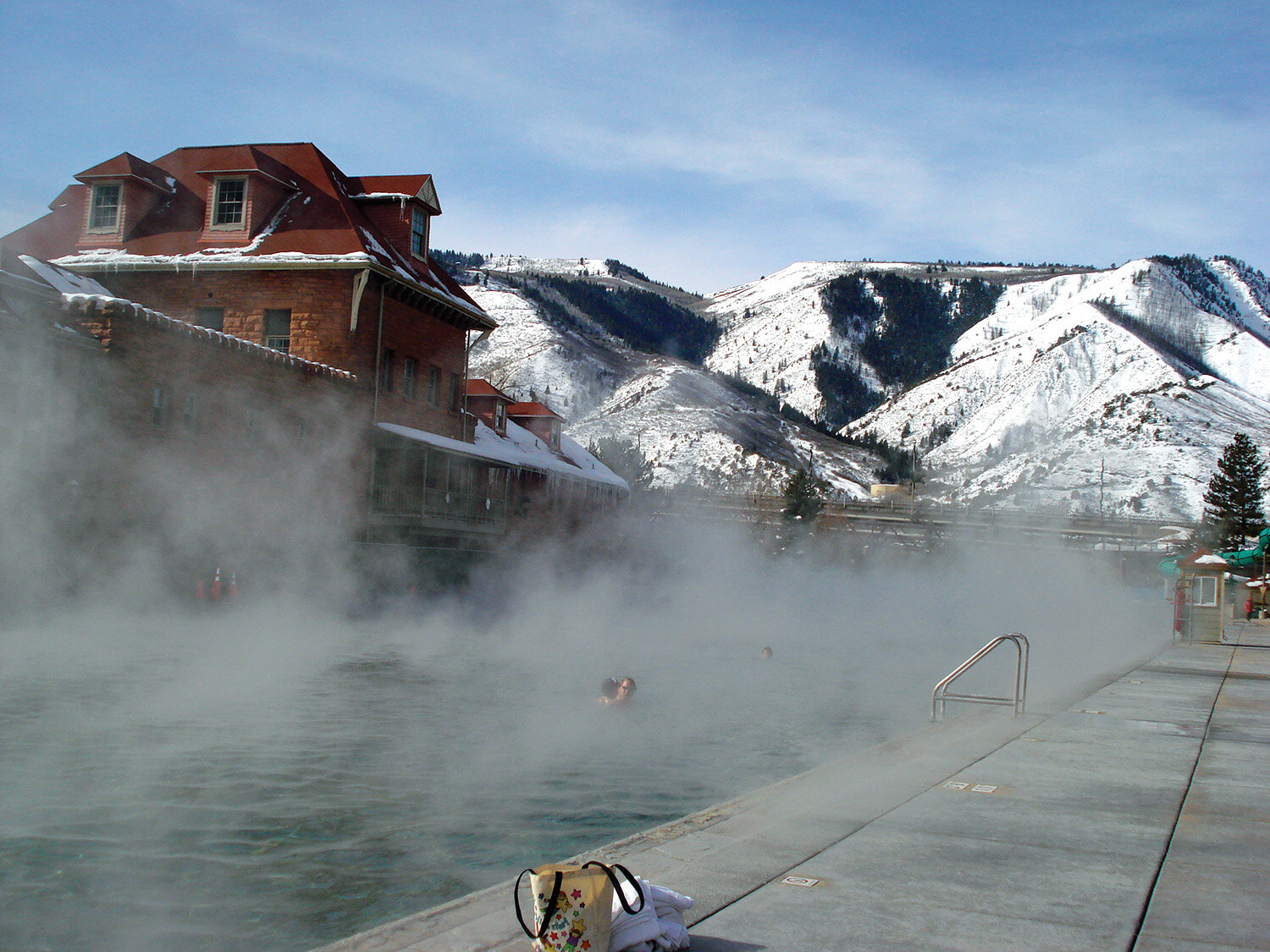
Glenwood Hot Springs, one of Colorado’s most popular destinations for soaking in gently warm waters, with cave options and more, offers ample opportunities for cautious bathing.
Hot springs are the result of natural geothermally heated groundwater emerging at the Earth's surface, often containing dissolved minerals that claim to improve health by enhancing circulation and reducing pain. Some even argue for promoting skin health.
Since their first discovery over 10,000 years ago, hot springs have been used for bathing and relaxation, but are they as safe and healthy as they are made out to be?
From location and size to odor and temperature, hot springs are not all the same. Often found in remote or natural landscapes, except for the few found at resorts, hot springs’ temperatures are generally between 104 and 115 degrees Fahrenheit.
The presence of hydrogen sulfide gas produces a characteristic "rotten egg" odor, especially when water is heated. The intensity of the smell depends on the mineral composition and water temperature, both of which also affect the appearance of the springs.
This combination of heat and minerals is known for reducing stress by convincing the body, through physical means, that it is relaxed. Achy bones and tight muscles loosen, allowing for a pure moment of letting go. The minerals can also aid in detoxification, providing benefits for those with psoriasis, acne, and eczema.
Understandably, a hot spring's natural beauty can often distract from potential dangers. Prolonged exposure to temperatures of 110 degrees Fahrenheit or higher may cause burns, with first-degree burns generally occurring at approximately 118 degrees. Second and third-degree burns often occur around 130 degrees, with tissues getting severely damaged at 158 degrees.
While there are benefits for some individuals with cardiovascular diseases, one should always proceed with caution. Increasing one’s body temperature can cause blood pressure to drop, leading to shock and stress on the heart.
Though many hot springs are managed by officials who often monitor conditions, let’s recall that natural hot springs are aspects of nature and, like most things in nature, are unpredictable, changing quickly and without warning.
Bacteria like the brain-eating amoeba Naegleria fowleri can thrive in hot springs pools, living in conditions up to 113 degrees Fahrenheit. Additionally, the E. coli bacteria, which can cause rashes and various intestinal illnesses, can survive between 113 and 140 degrees.
Many studies conclude that bathing in warm water can help lower stress levels and improve sleep. And even the natural setting of these environments can be important, because spending time in nature and breathing fresh air has proven beneficial to all humans.
But should you avoid soaking in hot springs altogether? One must take into consideration pre-existing health conditions that can increase the risk of suffering from soaking in hot springs. If you’re apprehensive about soaking in hot water, consider an alternative like visiting a salt cave or spending time in the ocean.
If a hot spring soak is on your agenda, remember to check in on your health and keep yourself well-hydrated. To experience the benefits of soaking in hot springs, some professionals recommend soaking for about 15 minutes once or twice per week.
It’s undeniable that hot springs are alluring, with each one offering unique experiences and benefits. Ultimately, only you can decide if a soak is right for you. To explore a hot spring near you, check out the list in this guide.


