
Samburu National Reserve
DAVE GIBSON
KENYA–In the center of Kenya, 240 miles from Nairobi, lies Samburu National Reserve. Along what is considered the gateway of the arid northern frontier, it is home to some of the country’s rarest and unique...
This item is available in full to subscribers.
At this time, we ask you to confirm your subscription at www.themtnear.com, to continue accessing the only weekly paper in the Peak to Peak region to cover ALL the news you need! Simply click Confirm my subscription now!.
If you are a digital subscriber with an active, online-only subscription then you already have an account here. Just reset your password if you've not yet logged in to your account on this new site.
Otherwise, click here to view your options for subscribing.
Questions? Call us at 303-810-5409 or email info@themountainear.com.
Please log in to continue |
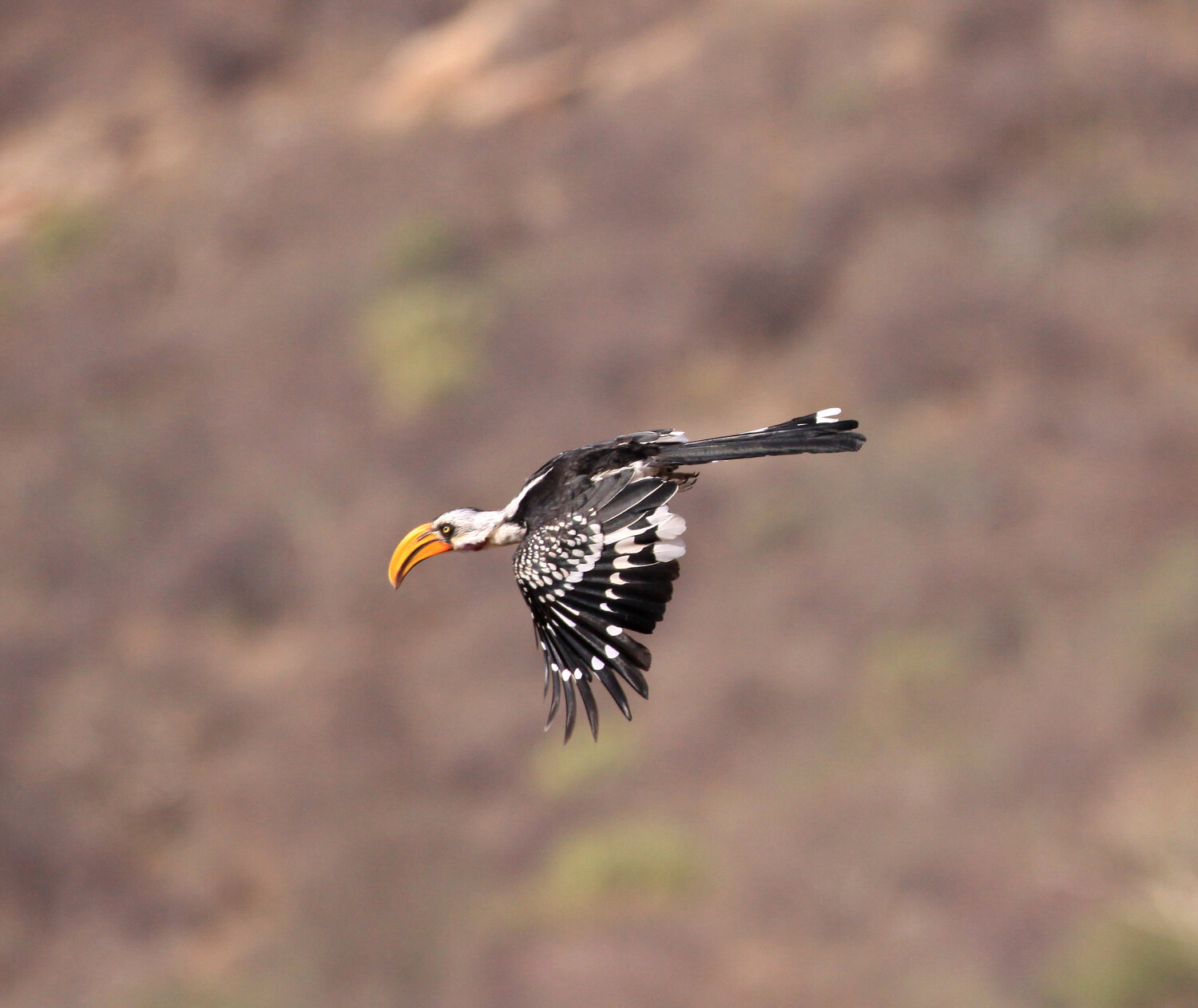


KENYA - In the center of Kenya, 240 miles from Nairobi, lies Samburu National Reserve. Along what is considered the gateway of the arid northern frontier, is the home to some of the country’s rarest and unique species.
Notable among them are the Grevy’s zebra, Beisa oryx, Somali ostrich, reticulated giraffe, and gerenuk. They are known as the “Special Five.”
It was to be my second visit to the reserve. I would be staying at Samburu Intrepids Camp again and was able to secure my guide Dom from six years ago. He is their second-most senior guide, is easy to get along with, and an excellent tracker, possessing extensive knowledge of the flora and fauna.
Samburu Intrepids is a classic mid-range permanent tented camp shaded by giant trees and set along the banks of the Ewaso Nyrio River. Its friendly staff is attentive and the amply-portioned gourmet dinners prepared by their chef are outstanding. Vervet monkeys were kept at bay during breakfast and lunch by a Samburu “moran” (young warrior) armed with a slingshot.
At the beginning of March the river was completely dry except downstream, where a trickle of water had managed to percolate above ground. Elephants had dug into the sandy river bottom to coax water to the surface where an array of animals depended upon it for survival.
Samburu tribespeople brought their livestock during the hot afternoons to drink and fill their water jugs.
We’d spot four of the “Special Five” during our first game drive.
The reticulated giraffes are numerous at Samburu. Their sharply defined rectangular pattern differs from the other three species that have less distinct markings.
Gerenuks (sometimes called the giraffe-necked antelope) fill a browsing niche between the giraffes, who browse the tops of the trees, and other antelope that browse closer to the ground.
Grevy’s zebra sport narrower stripes than the mountain and plains species and have bigger ears from which to dissipate heat.
The Somali ostrich is the largest bird in the world. The blue-gray color on the males’ necks and legs set it apart from other ostriches.
Beisa oryx are one of the most majestic antelope in all of Africa. Buff-colored with white and black markings, their long, straight ebon horns are a formidable defense. I’d see oryx twice toward the end of my stay.
Birdlife is abundant in the reserve. Among the species espied were: white-throated and little bee-eater, helmeted and vulturine guineafowl, woodland kingfisher, yellow-necked spurfowl, red-billed oxpecker, buffalo weaver, white-bellied go-away bird, black-shoulder kite, kori bustard, superb starling, Taita fiscal, the showy red-and-yellow barbet, and three types of hornbills.
One day we came across two grey-crowned cranes pecking the soil for ants and tubers. On another a martial eagle sat perched on a tree branch with a freshly-killed helmeted guineafowl in its talons.
The diminutive and skittish Kirk’s dik-dik stands merely 14 to 18 inches high at the shoulder and is Africa’s smallest antelope. Saltbush gave them a place to hide. Herds of impala and Grant’s gazelle were often seen.
During the hottest part of the day between 11 a.m. and 3 p.m., when temperatures reached the high 80s, a swim in the pool became part of the routine. I’d soak in the refreshing waters for a half hour or until I felt sufficiently cooled. Agama lizards basked in the sun and scurried about the swimming pool’s rock perimeters.
I was caught totally by surprise one morning when we came across a puff adder in the middle of the road. Similar in appearance to a rattlesnake but thicker and without a rattle on the end of its tail, the highly venomous viper kills more people in Africa each year than any other snake.
Lions are another attraction at Samburu Game Reserve. There is nothing quite like sitting in an open-sided vehicle merely feet away from the king of beasts as it stares straight into your eyes and walks toward you.
We’d spend time on most days with the male, females, and cubs of the Kalama pride. The rambunctious antics of the cubs entertained both safari-goers and the feline parents.
There are 11 cheetahs that reside in the reserve. One afternoon during a game drive two adult brothers made their rounds scouting for something to sneak up on, chase down, and kill. At one point, they both sat on top of a termite mound for a better vantage point. Strictly diurnal, with the sun setting, their chance for a meal would have to wait until the next day.
Sighting a leopard is the hope of many first-timers and repeat safari enthusiasts alike. Even though there are 41 leopards that call Samburu home, coming across one isn’t guaranteed, but it’s probable if you spend enough time there. Samburu is one of the best places in Kenya to see them.
When the call came over the radio that a leopard had been spotted during my last evening game drive, all the vehicles in the vicinity raced toward its location. Knowing how much their clients wanted to see one, the drivers jockeyed for position at the sighting to give passengers the best view.
A young leopard was lounging on a tree limb, obscured by clusters of thinner branches. Daylight was fading when it finally came down and began walking across a ravine away from us. Once again, the Land Rovers and Land Cruisers scrambled to position themselves for a favorable viewing angle.
Anticipating the cat’s direction of travel, my guide Dom put us in the perfect spot. With barely enough light to attain a workable shutter speed, as the leopard paused to look back at us before giving everyone the slip, I was able to squeeze off a couple of frames.
On our way back to camp, we were astounded to see the river at flood stage. A boon for animals and humans, rains in the Mount Kenya area had turned what had been a parched riverbed into a raging torrent in a matter of minutes.
For more information about Samburu Intrepids Camp, see www.heritage-eastafrica.com/samburuintrepids.


