
Spring has sprung, and the signs are becoming more and more apparent by the day! First blooms are being spotted, bluebirds have been seen flitting about the meadows, and the daylight hours are
This item is available in full to subscribers.
At this time, we ask you to confirm your subscription at www.themtnear.com, to continue accessing the only weekly paper in the Peak to Peak region to cover ALL the news you need! Simply click Confirm my subscription now!.
If you are a digital subscriber with an active, online-only subscription then you already have an account here. Just reset your password if you've not yet logged in to your account on this new site.
Otherwise, click here to view your options for subscribing.
Questions? Call us at 303-810-5409 or email info@themountainear.com.
Please log in to continue |
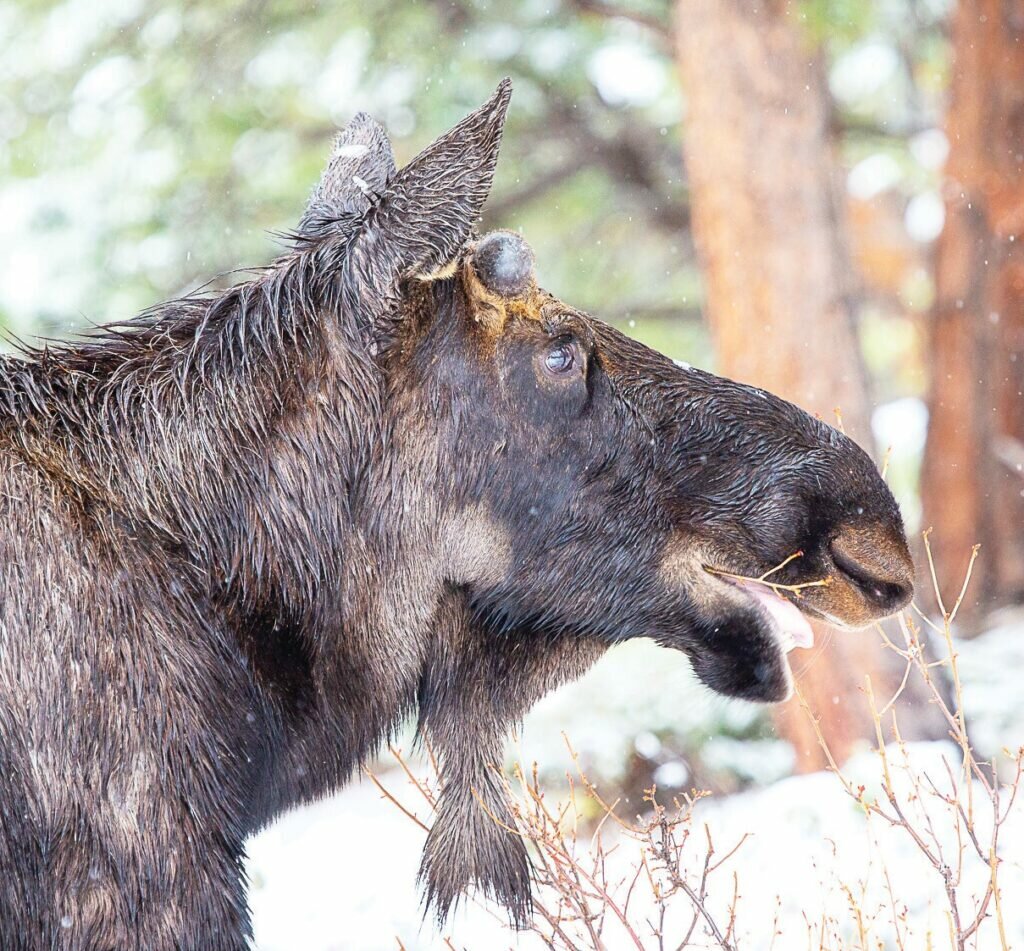
Spring has sprung, and the signs are becoming more and more apparent by the day! First blooms are being spotted, bluebirds have been seen flitting about the meadows, and the daylight hours are getting longer.
Yet another sign of the season changing is seen among some of our wild ungulates: almost all male members of the deer family have already lost last year’s antlers, and the 2024 set is either already on its way in or will be soon.
Antlers are a type of bone (the fastest growing tissue in the natural world), starting as a porous structure encased in a sort of shell we know as velvet. The antlers grow from a sort of socket known as a pedicle.
It’s not as noticeable in this week’s image, as this bull’s new “nubs” have already begun to grow, but when the antlers fall off, they leave a sort of crater from which the new antlers emerge (similar to the socket from which a new tooth grows). This happens typically within a few weeks to a month of the loss of last year’s rack.
While the lengthening daylight hours and the growth of new antlers might be considered coincidental, it is the seasonal increase of sunlight that triggers the growth. Changing sunlight controls the entire process, from new growth in the spring, to growth cessation in the fall, and ultimately the loss of the antlers altogether, via a process known as photoperiodism.
Antler growth and the cessation thereof is a complex process, but is ultimately controlled by hormones. These hormones naturally increase and decrease in the body, triggered by available sunlight. As daylight increases in the spring, there is a spike in testosterone and a decrease in melatonin. This triggers the beginning of antler growth.
As summer wanes, there is another hormonal spike of testosterone and calcitonin, which causes the more porous bone to cease growing. A simultaneous hardening of the tissue, along with the loss of the protective outer velvet, reveals the “weapons of war” to be utilized during the rut.
As the rut ends and daylight begins to dwindle, testosterone levels diminish greatly, and as winter sets in and available sunlight decreases to its minimum, melatonin increases, which ultimately sets off the process of losing the antlers altogether. The loss tends to take place toward the end of winter or early spring, depending on the species.
With actual levels being different from animal to animal, each step of the annual cycle can be observed in a given species (as moose, deer, and elk vary slightly in their respective timing) over the course of a month or so.
As mentioned above, this handsome bull was sporting a fresh pair of spring “nubbins” to accompany his incoming summer coat. Between slight malnutrition from the winter diet, winter tick infestations causing a whitening of the coat (typically only found with moose, as deer and elk do not seem to be affected), the seasonal coat change itself, and the new nubs, moose can tend to look a bit on the goofy side for a month or so after they emerge from their winter hideaways.
This is not to say they are unique in that sense, as both deer and elk also tend to have their own bedraggled appearance as their coats undergo their seasonal transitions. The entire deer family tends to appear as though enduring a massive case of rudely awakened “Monday morning bedhead,” very much in need of a strong cup of coffee (or three) before getting all dressed up and primped for the finer, longer days of summer's glory.
For additional information about James DeWalt Photography, check out https:// jamesdewaltphotography.com.


