
Easter is a holiday marking the resurrection of Jesus three days after his death by crucifixion. For many religions, Easter is the end of the Lenten season of fasting and penitence.
According
This item is available in full to subscribers.
At this time, we ask you to confirm your subscription at www.themtnear.com, to continue accessing the only weekly paper in the Peak to Peak region to cover ALL the news you need! Simply click Confirm my subscription now!.
If you are a digital subscriber with an active, online-only subscription then you already have an account here. Just reset your password if you've not yet logged in to your account on this new site.
Otherwise, click here to view your options for subscribing.
Questions? Call us at 303-810-5409 or email info@themountainear.com.
Please log in to continue |
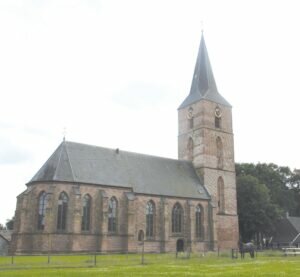
Easter is a holiday marking the resurrection of Jesus three days after his death by crucifixion. For many religions, Easter is the end of the Lenten season of fasting and penitence.
According to historians, the earliest recorded observance of Easter comes from the 2nd century, though some believe it likely was celebrated by earlier Christians, commemorating this integral part of faith.
By decree of the first council of the Christian Church, known as the Council of Nicaea, Easter would begin to be observed on the first Sunday following the first full moon after the spring equinox. The year was 325.
Generally speaking, Easter can fall on any Sunday between March 22 and April 25 for Roman Catholics and Protestants to name a few. The decision to celebrate Easter on Sunday triggered controversy in early Christianity, creating a distinguishing difference between east and west.
The controversy became known as the Paschal controversies, which wouldn’t end until sometime in the 8th century.
The southwestern part of ancient Asia (Asia Minor) observed the day of the Crucifixion on the same day Jews celebrated the Passover, on the 14th day of Nissan, also the seventh month of the civil and first of the religious year. Regardless of the day of the week, the resurrection was observed two days later on 16 Nissan.
In the West, Jesus’s resurrection was celebrated on the first day of the week, Sunday, when Jesus rose from the dead, explaining Easter as a celebration on the first Sunday after the 14th day of the month of Nissan. As more and more churches opted for the Sunday celebration, it became the norm. Unlike the Gregorian calendar, the Julian calendar is used in Eastern Orthodox churches, meaning Easter celebrations are prohibited from occurring at the same time as Passover. Hence, why, in Eastern Orthodox churches, Easter celebrations occur later.
Other historical sources claim Easter began as a pagan festival, long before the advent of Christianity, to celebrate spring in the Northern Hemisphere. Easter is celebrated across the globe.
To learn more about Easter, visit https://www.britannica.com/topic/ Easter-holiday. To join in Easter celebrations across the Peak to Peak Highway, check out The Mountain-Ear’s Worship Directory on page 15.


