
A special meeting of the Gilpin County Board of County Commissioners was convened at 9 a.m. on July 30, 2024, to address a REDI grant. Present at the meeting were Commissioners Sandy
This item is available in full to subscribers.
At this time, we ask you to confirm your subscription at www.themtnear.com, to continue accessing the only weekly paper in the Peak to Peak region to cover ALL the news you need! Simply click Confirm my subscription now!.
If you are a digital subscriber with an active, online-only subscription then you already have an account here. Just reset your password if you've not yet logged in to your account on this new site.
Otherwise, click here to view your options for subscribing.
Questions? Call us at 303-810-5409 or email info@themountainear.com.
Please log in to continue |
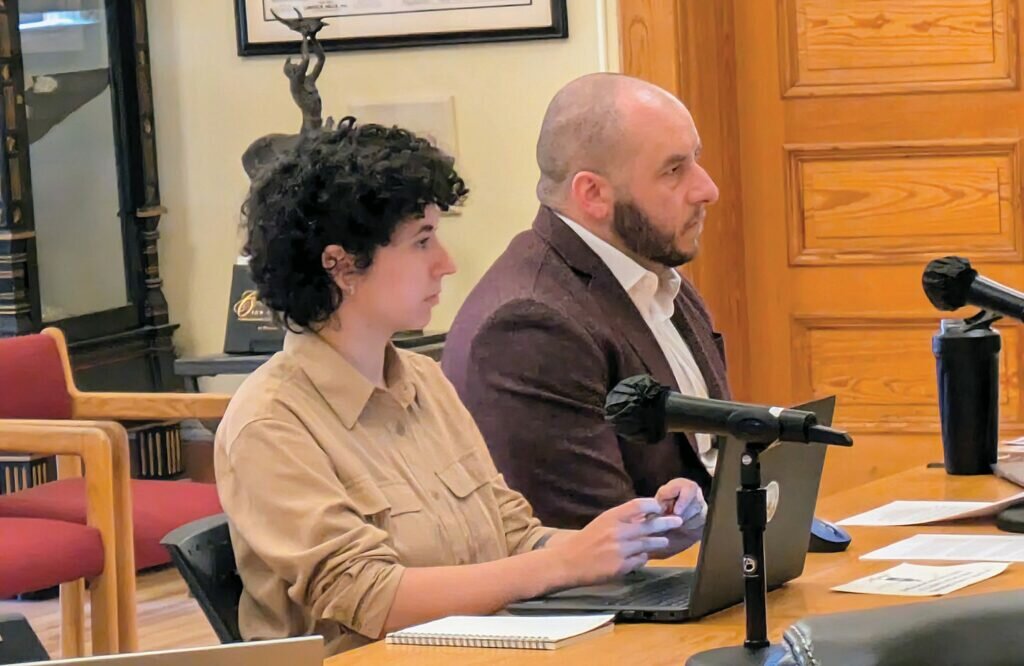
A special meeting of the Gilpin County Board of County Commissioners was convened at 9 a.m. on July 30, 2024, to address a REDI grant. Present at the meeting were Commissioners Sandy Hollingsworth, Marie Mornis, and Susan Berumen, along with County Manager Ray Rears. County Attorney Brad Benning was absent.
Rob Gutierrez, the Community Development Director, presented Resolution 24-108, which involves authorizing staff to apply for a grant under the Rural Economic Development Initiative (REDI) Program offered by the Colorado Department of Local Affairs (DOLA).
Gutierrez outlined that preliminary design work is a prerequisite for the grant application. The resolution focuses on addressing infrastructure deficits in Rollinsville, particularly the absence of public water and firefighting systems. It also explores the feasibility of establishing a Mountain Rail Line station in the area.
The resolution addresses several key objectives:
Infrastructure Improvement: Evaluating options for enhancing water storage for firefighting and developing public water and wastewater systems. The resolution proposes considering various models, including independent systems and partnerships with neighboring jurisdictions.
Mountain Rail Line Feasibility: Assessing the potential for a passenger rail station in Rollinsville, including identifying potential sites, estimating development costs, and determining local preferences.
Identifying Additional Needs: Highlighting other public infrastructure deficits that impact economic development and safety, such as roadway conditions, stormwater management, and pedestrian facilities.
Development Planning: Crafting an area-specific development plan to align with the County’s Comprehensive Plan. This includes promoting economic growth through local businesses, supporting affordable housing, and considering potential government mechanisms to finance infrastructure improvements.
Gutierrez emphasized the potential for Rollinsville to become a vibrant community hub. He noted that even if the Mountain Rail Line does not materialize, existing transportation options like Amtrak could still benefit the area.
Hollingsworth mentioned that the Mountain Rail program would not have another meeting until September. The program has specific requirements such as ADA compliance for any proposed stops.
The commissioners debated the grant’s scope and funding. Mornis expressed concerns that the proposed grant amount of $300,000, including a $150,000 local match, might be excessive.
Hollingsworth proposed reducing the request to $250,000 with a $125,000 local match. This revised proposal was approved with a 2-1 vote, Mornis voting against it.
After the grant discussion, the commissioners addressed additional agenda items. They reviewed the property value protest process but did not receive any protests. They then continued their work session.
Paul Ondr, Timberline Fire Chief, provided an update on wildfire mitigation efforts. He reported a backlog of 20-30 mitigation jobs, with work booked through November.
Recent efforts include completing wildfire mitigation around Corona Heights and the first phase of work at the Recreation Center. A roadside chipping event is scheduled for August 18 at Missouri Lakes. Ondr noted the need for an additional $5,000 for this event and indicated that future projects, including Aspen Springs and Dory Hill, might require similar funding.
Administrative Analyst Sam Bower presented the Dispatch Fee Formula, showing an average call cost of $58.62 under Formula 1, with projected 2025 revenue of approximately $220,000. He noted that Formula 2 would result in a fee of $68.10 per call. The board decided to drop the formula but further investigate fee structures and review Memoranda of Understanding (MOUs) with involved agencies.
Bower also discussed the Field Worker Safety Policy, outlining existing policies and who is covered. A resolution on this policy will be presented at the next regular Board meeting on August 13.
Jennifer Cook from CSU Extension and Sarah Baciak, Paralegal, introduced Ordinance No. 24-01, which repeals the previous weed management ordinance and adopts a new Gilpin County Weed Management Plan.
Cook presented brochures and discussed potential changes to the bylaws of the Noxious Weed Advisory Board. The new ordinance, driven by recent legislative changes, includes a graduated fee schedule for non-compliance, allowing for fines of up to $500 for first offenses.
The Board decided to move the ordinance forward to the next meeting.
The work session concluded around 1:30 p.m., with the commissioners having addressed a range of important issues, including infrastructure improvements, wildfire mitigation, and policy updates.
The next regular meeting of the Gilpin County Board of County Commissioners is scheduled for August 13, 2024, at 9 a.m. and will be held in person at the Historic Courthouse, 203 Eureka Street, Central City and online via Zoom.


